The Science Behind Compressed Furniture Manufacturing
Compressed mattress, sofa, and bed manufacturers rely on precision engineering to create products that balance compactness with performance. The manufacturing process combines material science, mechanical engineering, and quality assurance to deliver reliable compressed furniture.
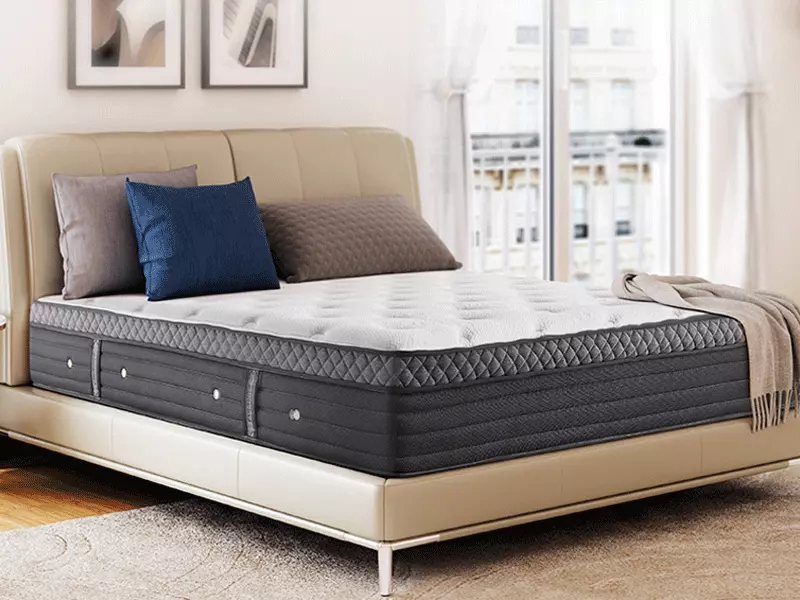
Material selection is critical. Compressed mattress manufacturers use high-resilience foam, pocket springs, and breathable fabrics that withstand vacuum compression without permanent deformation. Compressed sofa manufacturers use durable frames, flexible webbing, and stretch-resistant upholstery. Compressed bed manufacturers use lightweight yet sturdy metals and engineered wood.
The compression process begins with strict quality testing. Products are inspected for defects before entering automated compression lines. Vacuum machines remove air, reducing size significantly. Rolled or folded products are sealed in durable packaging to maintain compression during transit.
Recovery technology ensures products expand fully and evenly. Advanced foams and spring systems regain shape within 24–48 hours. Manufacturers conduct rigorous recovery tests to guarantee consistency. Quality control includes pressure testing, durability cycles, and safety assessments.
Innovations include intelligent compression systems that adjust pressure based on product type, eco-friendly packaging, and zero-waste production. Digital monitoring tracks production efficiency and product integrity.
Technical advantages extend to logistics: smaller packages mean more units per container, lower fuel use, and fewer damages. For consumers, this means faster delivery, easier handling, and undamaged products.
Compressed furniture manufacturing demonstrates how technology solves traditional industry pain points. By combining scientific principles with practical design, manufacturers create products that meet modern demands for convenience, sustainability, and quality.
